 Sleightful
Card Force by Theodore Annemann
Created by: Theodore Annemann
Key features
Essential for controlling spectator choices in card magic
Variety of methods including sleight-of-hand, psychological, and mechanical forces
Suitable for beginners and experienced performers
Can be integrated into larger routines for predictions and revelations
No gimmicks required for many techniques, making it impromptu
Emphasizes natural handling and spectator management
Pros
Versatile tool for numerous card tricks
Builds foundational skills in deception and presentation
Instant reset for repeat performances
Angle-proof in many methods
Enhances the illusion of free choice
Can be performed with borrowed decks
Cons
Requires practice to master timing and misdirection
Some methods may have angle limitations if not performed carefully
Psychological aspects can be challenging for beginners to grasp
Limited to card-based magic routines
Effect
A card force makes a spectator believe they have freely chosen any card from the deck. The magician appears to offer a genuine selection. In reality, the magician controls the process so the spectator picks a specific predetermined card. This creates the foundation for many card tricks where the magician reveals the chosen card in an impossible way.
Full details
A card force is a core technique in card magic. It allows the performer to know which card a spectator will pick before the selection happens. This technique is not a single move but a category of methods. These methods range from physical actions to psychological guidance. Theodore Annemann's 1933 book "202 Methods of Forcing" documents many approaches. These include sleight-of-hand forces like the classic force and riffle force. They also include mechanical methods using specially prepared decks. The goal is always the same. The magician ensures the spectator picks the intended card while maintaining the appearance of a free choice.
Who should consider the trick
Card forcing is essential for any magician who performs with playing cards. Beginners should learn a basic force early in their training. David from Magic Orthodoxy says mastering even one solid force "opens the door to a vast array of powerful card magic." Working professionals use forces regularly in walk-around magic and stage shows. Mentalism performers also rely on forces for prediction effects. Magicians who want to perform tricks involving a "freely selected" card need this skill. It is particularly valuable for those who perform impromptu magic with borrowed decks.
Information on how difficult it is to perform
The difficulty varies between different forcing methods. Some forces are suitable for beginners. AMillionCardTricks describes one method as "quick to learn" and "ideal for beginners." These basic forces often require minimal sleight of hand. Other forces demand more practice and skill development. David notes that even technically imperfect forces can be effective with confident presentation. He advises performers to "maintain eye contact, use casual language, and avoid appearing overly deliberate." The key challenge is making the force appear natural rather than mastering complex moves. Most magicians can learn at least one reliable force with consistent practice.
What magicians say
Reviewers emphasize the importance of card forcing in magic. David from Magic Orthodoxy calls it "one of the most powerful tools a card magician can possess." He states that a reliable force allows performers to "maintain complete control over the outcome while the spectator retains a genuine sense of free choice." Multiple reviewers reference Theodore Annemann's book as the definitive resource on the subject. AMillionCardTricks highlights that some forces require "no gimmicks, sleight of hand, or pre-show work," making them accessible to all skill levels. CardMechanic stresses that "misdirection and presentation are key to making the force appear random." Magicians agree that mastering card forcing significantly expands a performer's repertoire and improves the impact of their card routines.
What people are saying about Card Force
AlakazamMagicUK says...
In this engaging video, Joshua J performs a card force trick in a noisy, real-world setting, proving how magicians can subtly guide a spectator's card choice without raising suspicion.
AMillionCardTricks says...
Quick to learn, ideal for beginners. Versatile tool for various tricks. Focuses on clean execution.
CardMechanic says...
Learn three different card forces to enhance your magic tricks. Each force is explained with step-by-step instructions and demonstrations, with tips on presentation and misdirection to improve performance.
magicorthodoxy says...
A reliable force is one of the most powerful tools a card magician can possess. It allows the performer to maintain complete control over the outcome of an effect while the spectator retains a genuine sense of free choice.
oscar says...
Master a card force technique to simulate mind reading, similar to David Blaine's performances.
ReidFerry says...
The effect begins with two decks of cards, and the magician then asks the spectator to freely select a card, in this case, the 10 of Spades. [...] The force of the 10 of Spades is likely a standard technique, but its placement within the routine serves to heighten the sense of free choice.
Performance videos

His MIND Was BLOWN by THIS Card Trick!😱🤣 #shorts
ReidFerry mentioned this magic trick in this video.
Review videos

Magic Review - Flux 2.0 by Roddy McGhie and Noel Qualter
magicorthodoxy mentioned this magic trick in this video.

Magic Review - Red and Blue by Jonathan Sadowski
magicorthodoxy mentioned this magic trick in this video.

I Bought a CLASSIC MAGIC PROP from AMAZON
magicorthodoxy mentioned this magic trick in this video.

The Dog by TCC and Harry Yang - Magic Review
BAM_magic mentioned this magic trick in this video.

Magic Review - The Dog by TCC Magic
magicorthodoxy mentioned this magic trick in this video.

Magic Review - QR Queens by Paul Fowler
magicorthodoxy mentioned this magic trick in this video.

Alakazam Vlog Episode 26 | Orange Juice or Vinegar?
AlakazamMagicUK mentioned this magic trick in this video.

Magic Review - Fate Card by Silvia Stjärna
magicorthodoxy mentioned this magic trick in this video.

Deck Review - 20’s Luxury Playing Cards
magicorthodoxy mentioned this magic trick in this video.

Magic Review - Spin by Vinny Sagoo
magicorthodoxy mentioned this magic trick in this video.
Promotional videos

dvhandpicked_card-video1
AlakazamMagicUK mentioned this magic trick in this video.
Tutorial videos

How David Blaine Forces ANY Card! - Tutorial #magic #tricks #tutorial
AMillionCardTricks mentioned this magic trick in this video.

How to Force a Card #tutorial 🙊 #cardtrick #learnmagictricks
magicorthodoxy mentioned this magic trick in this video.

How To Know Their Card Every Time! #magic #tricks #tutorial
AMillionCardTricks mentioned this magic trick in this video.

How to Force a Card🍑 #tutorial #cardtrick #learnmagictricks
magicorthodoxy mentioned this magic trick in this video.
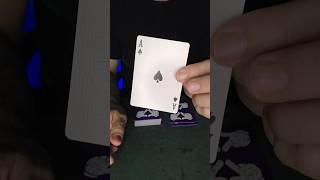
How to Force a Card #tutorial #cardtrick #learnmagictricks
magicorthodoxy mentioned this magic trick in this video.

How to Force a Card🫠 #tutorial #cardtrick #learnmagictricks
magicorthodoxy mentioned this magic trick in this video.

How to Force a Card 🫅#tutorial #cardtrick #learnmagictricks
magicorthodoxy mentioned this magic trick in this video.

How to Force a Card 🥷#tutorial #cardtrick #learnmagictricks
magicorthodoxy mentioned this magic trick in this video.
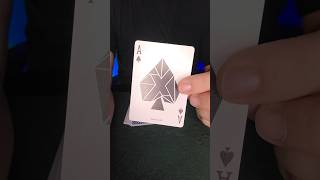
How to Force a Card #tutorial #cardtrick #learnmagictricks
magicorthodoxy mentioned this magic trick in this video.

My Favorite Beginner Card Force - 1 Minute Tutorial #magic #tricks #tutorial
AMillionCardTricks mentioned this magic trick in this video.

3 Simple Ways To Read Anyones Mind | Revealed
oscar mentioned this magic trick in this video.

3 Mind-Blowing Card Forces That Will Leave Your Audience Speechless!
CardMechanic mentioned this magic trick in this video.

The SECRET about magicians
CardMechanic mentioned this magic trick in this video.