 Sleightful
Four Aces by John Scarne, Harry Lorayne, Ed Marlo, Allan Ackerman, Alich, Daryl, Chris Rawlins, John Bannon, Cavan Booth, PigCakee, and RFSleights
Created by: John Scarne, Harry Lorayne, Ed Marlo, Allan Ackerman, Alich, Daryl, Chris Rawlins, John Bannon, Cavan Booth, PigCakee, RFSleights
Key features
Multiple methods available: from self-working setups to advanced sleight of hand
Can be performed with a borrowed, shuffled deck for added fairness
Versatile presentation options: skill demonstration, mentalism, or interactive game
Some versions include kicker endings (e.g., revealing Four Kings) for extra impact
Suitable for close-up magic in informal or social settings
Historical significance with roots in legends like John Scarne's card skills
Pros
Strong visual impact with a classic, recognizable plot
Many methods require no sleight of hand, making them accessible to beginners
Can be reset quickly for repeat performances
Allows for creative presentation and storytelling
Some versions use mathematical principles or pre-arrangements for fooling effects
Cons
Advanced methods may require significant practice (e.g., false shuffles, culls)
Some setups are not impromptu and require pre-show preparation
Over-familiarity with the Four Aces plot might reduce surprise for some audiences
Certain methods rely on specific spectator actions (e.g., overhand shuffles)
Using special decks (e.g., Stripper Decks) limits versatility with borrowed decks
Effect
The Four Aces trick is a classic card magic effect. To the audience, it appears the magician has a remarkable ability to find and control the four Aces from a shuffled deck. The Aces may be discovered together in a surprising location, such as in the spectator's own hand, or they may be produced in a visually striking manner. The effect often concludes with a strong, clean finish that leaves the audience wondering how the Aces could possibly have been gathered from a mixed deck.
Full details
The Four Aces is not a single trick but a classic plot with many different methods. Performers can choose from a wide variety of techniques to achieve the same stunning result. Some methods rely on mathematical principles and pre-arrangement, requiring no advanced sleight of hand. These are often called self-working tricks. Other methods use sleight of hand like false shuffles, cuts, and controls to secretly maintain the Aces in a known position. Techniques such as the double undercut or bottom deal can be used to control selected cards. Some routines use specially prepared decks, like a stripper deck or marked cards, to aid in locating the Aces. The presentation can vary from a direct demonstration of skill to a playful game or a story. Many versions include a surprise ending, such as also revealing the Four Kings.
Who should consider the trick
This trick is suitable for magicians at all skill levels. Beginners can find self-working versions that are easy to learn and perform effectively. MattMcGurk notes these tricks are "perfect for beginners to learn quickly" and have a "strong visual impact." Intermediate and advanced performers can explore methods that involve sleight of hand and more complex routining. The trick is versatile for different settings, from casual social situations to formal close-up magic. Magicians looking for a reliable, well-known effect that can be adapted to their personal style will find many options within the Four Aces plot.
Information on how difficult it is to perform
The difficulty varies greatly depending on the chosen method. Self-working versions have minimal difficulty. As MurphysMagicSupplies states, Allan Ackerman's version is a "self-working" effect that relies on "clever setup and presentation rather than sleight of hand." These require practice in presentation, not complex moves. Methods involving sleight of hand demand more practice. Techniques like false shuffles and cuts need to look natural. PigCake mentions that while his routine aims for simplicity, "some basic card handling skills are necessary." Advanced controls, like the cull taught by CavanBooth, require dedicated practice to perform smoothly and without suspicion. The stripper deck method highlighted by AlakazamMagicUK is noted for being "easy to use, even for beginners."
What magicians say
Reviewers highlight different strengths of various Four Aces methods. SeanDevine, in his tribute to John Scarne, emphasizes the historical appeal and the dedication needed, stating "considerable practice is required" for advanced manipulation. CavanBooth focuses on practicality, teaching a method that leverages a spectator's shuffle, noting it's "more fooling and practical." He advises, "embrace the cut" and appear relaxed. PigCake values presentation, suggesting adding a "comedic gag" to enhance the effect. Steve from steventaputoro praises a self-working version with a kicker ending, saying the "dual reveal elevates the trick." He finds it ideal for repeat performances. CardMechanic often discusses the psychology of deception, noting in one summary that "the psychological impact of consistent wins is a key component." Profrt compares routines by masters Harry Lorayne and Ed Marlo, offering magicians a choice between an "interactive, audience-tested" effect and a "more deceptive and technically impressive" one.
What people are saying about Four Aces
AlakazamMagicUK says...
The Stripper Deck uses identical face cards to create deceptive effects. The deck is easy to use, even for beginners. It allows for the production of specific cards from the middle of the deck after a shuffle.
BigBlindMedia says...
Engaging story about a card contest with State Street Eddie. Showcases a trick involving four aces and a royal straight flush. Highlights the playful rivalry and skill between Bannon and Eddie.
CardMechanic says...
The core of the trick relies on a pre-arrangement. The creator begins by placing the Four Aces on top of the deck. He then shuffles and cuts the deck, ostensibly fairly, before dealing the cards. [...] The creator emphasizes the importance of appearing to shuffle and cut the cards legitimately.
CavanBooth1 says...
The effectiveness of this trick hinges on the spectator performing a standard overhand shuffle. [...] He demonstrates that placing the Four Aces in the middle of the deck and handing it to a spectator for a shuffle often results in the Aces remaining grouped together.
MattMcGurk says...
All tricks require no setup or sleight of hand. Perfect for beginners to learn quickly. Each trick has a strong visual impact. The 'Four Aces' trick is particularly impressive.
MurphysMagicSupplies says...
Allan Ackerman's Four Aces is a self-working card trick. The trick relies on a clever setup involving a reversed five card and the Four Aces. Presentation is key to making the trick effective.
PigCake says...
The routine aims for an impact similar to Daryl's Fantasy Aces. The method relies on a deceptive false shuffle and a clever cut. [...] A simultaneous action reveals all four Aces.
profrt says...
Teaches two distinct four-ace routines by Harry Lorayne and Ed Marlo. Lorayne's method uses a spelling procedure to reveal aces from a shuffled deck. Marlo's routine involves genuinely cutting to three aces and revealing the fourth.
ReidFerry says...
The Double Undercut allows a spectator's touched card to be secretly controlled to the top of the deck. The Bottom Deal control can leave a group of cards anywhere in the deck and control them to the bottom. [...] Handing the deck to the spectator enhances the illusion of fairness and unpredictability.
SeanDevine says...
This is a fascinating tutorial video demonstrating an attempt to recreate the legendary card skills of John Scarne. The creator aims to replicate Scarne’s purported ability to locate the Four Aces within a thoroughly shuffled deck and, even more impressively, to restore a shuffled deck to its original factory order with a single, seemingly invisible move.
steventaputoro says...
The trick is self-working, requiring minimal setup and no sleight of hand. It plays on the audience’s familiarity with the standard Four Aces routine, making the final reveal of the Kings even more deceptive.
Performance videos

John Bannon Dealing With It #magictrickssecret #magician #magic
BigBlindMedia mentioned this magic trick in this video.

NEVER Play Cards With Strangers!😱👀 #shorts
ReidFerry mentioned this magic trick in this video.
Promotional videos

I’ve got £10 and I want to buy an EASY card trick! Stripper Deck is so easy to use!
AlakazamMagicUK mentioned this magic trick in this video.
Tutorial videos

Two More Faves with the Four Aces — Lorayne and Marlo
profrt mentioned this magic trick in this video.

How to have spectators card find four aces! | Saturday Sorcery Allan Ackerman tutorial
MurphysMagicSupplies mentioned this magic trick in this video.

How a CHEATER Wins at Cards
CardMechanic mentioned this magic trick in this video.

Who wants to play cards?
SeanDevine mentioned this magic trick in this video.

Easily fool your friends with this trick!
CardMechanic mentioned this magic trick in this video.

Learn a simple card trick to fool your friends!
CardMechanic mentioned this magic trick in this video.

How to do one card poker | Saturday Sorcery Chris Rawlins tutorial
MurphysMagicSupplies mentioned this magic trick in this video.

Let’s cheat together
CardMechanic mentioned this magic trick in this video.

Find the FOUR ACES in SECONDS! (After they shuffle!)
CavanBooth1 mentioned this magic trick in this video.
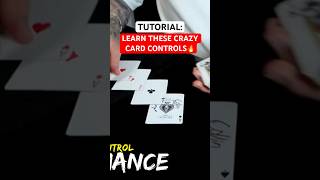
YOU NEED These Card Controls in Your ARSENAL!!🔥🤯 #shorts
ReidFerry mentioned this magic trick in this video.

LEARN THIS TRICK IN JUST 5 MINUTES!
PigCake mentioned this magic trick in this video.

3 Unbelievable EASY CARD TRICKS for Beginners (No Setup!)
MattMcGurk mentioned this magic trick in this video.

This SELF-WORKING Card Trick FOOLED ME! Tutorial
steventaputoro mentioned this magic trick in this video.

Card Cheating!? 🤯
AlakazamMagicUK mentioned this magic trick in this video.